What Exactly Is Microwave Skin Tightening and Why Is Korea the Go-To Destination?
Microwave Skin Tightening in Korea: What to Expect from the Procedure and Results
Microwave skin tightening in Korea is a gentle, non-invasive way to help your skin feel firmer and more lifted without surgery or downtime. It works by delivering controlled microwave energy deep into the skin’s layers, which safely heats the tissue to stimulate natural collagen production for gradual, lasting results. For anyone feeling self-conscious about loose skin, this treatment offers a comforting path to a more youthful contour—typically enjoyed in a few short sessions with no needles or recovery period. You can simply schedule a consultation at a Korean skincare clinic, where a specialist will guide you through a personalized plan and let you relax during each comfortable, quick procedure.
What Exactly Is Microwave Skin Tightening and Why Is Korea the Go-To Destination?
Microwave skin tightening uses targeted heat to zap the deepest skin layers, instantly firming collagen and triggering a natural lift that keeps improving for months. Unlike lasers or surgery, it’s a quick, no-cut procedure that works especially well on loose jawlines and crepey tummies. Korea is the go-to spot because clinics here pair this tech with ultra-precise dosing—practitioners tweak energy levels per millimeter of your skin, not just a generic setting. You also get hybrid sessions, like stacking microwave with radiofrequency or thread lifts, a combo rarely offered elsewhere. The result is a snatched, natural look without the “done” vibe. Plus, recovery is near-zero, so you can grab bingsu afterward. Seoul’s dermatology scene treats this as a routine art form, not a luxury experiment. The real edge is the sheer repetition—Korean doctors refine this daily, making them freakishly consistent at avoiding burns or lumpiness.
How Does This Non-Invasive Procedure Differ from Radiofrequency or Laser Treatments?
Unlike radiofrequency (RF) or laser treatments, which heat the skin’s surface to stimulate collagen, microwave skin tightening uses targeted electromagnetic energy to heat the deep dermis and subcutaneous tissue at a specific frequency—around 5.8 GHz—where water molecules resonate. This creates immediate tissue contraction and neocollagenesis without the epidermal burn risk common with lasers. In Korea, this distinction matters because clinics prioritize depth-controlled volumetric heating over superficial ablation. The procedure differs in three practical ways:
- Energy delivery: microwaves penetrate uniformly through fat layers, while RF is often impeded by impedance variations and lasers are limited to <0.5mm depth.< li>
- Pain profile: you feel deep warmth rather than the sharp, zapping sensation of RF or the prickling of fractional lasers; no topical numbing is typically needed.
- Recovery: there is zero downtime or peeling, whereas lasers often cause ONDA lifting seoul crusting and redness for 2–5 days.
What Makes the Korean Approach to This Technology Unique for Facial and Body Contouring?
What makes the Korean approach to microwave skin tightening unique for facial and body contouring is its layered, precision-driven protocol, not the device alone. Clinics here combine real-time skin impedance mapping with depth-adjustable applicators to target distinct fat compartments and collagen planes in a single session. For the face, practitioners use micro-tip handpieces to sculpt the jawline and malar area, while body contouring employs multi-pass, grid-pattern delivery to avoid lumpiness. This method prioritizes selective thermal coagulation—tightening the superficial fascia and dermis without over-heating the epidermis. The result is a naturally tapered, volumized lift rather than a flattened look, achieved through a systematic sequence:
- Assess skin laxity and fat thickness per zone.
- Adjust energy delivery and cooling for each contour point.
- Then, perform directional strokes to guide collagen contraction toward desired vectors.
This meticulous, zone-by-zone tailoring is why Korean outcomes look sculpted yet unaltered.
How Many Sessions Do You Actually Need for Visible Results?
When you walk into a Seoul clinic for microwave skin tightening, the consultant rarely promises a single-session miracle. Most Korean practitioners map out a baseline of three sessions, spaced roughly four weeks apart, because the radiofrequency heat needs to trigger collagen remodeling gradually. In my experience, the first treatment *only primes the deeper dermal layers*, so visible lift typically surfaces after the second session—around week six—when jawline definition and cheek fullness start to register in photos. By the third session, most clients see the real payoff: firmer texture and a subtle V-line sharpening that lasts six to twelve months. Do not book a single intense session and expect dramatic changes—the skin’s response is cumulative. Instead, commit to a full three-session plan before judging results, and ask your clinician to track baseline measurements each visit. For maintenance, one touch-up every six months usually holds the outcome, but that depends on your starting laxity and age.
What Is the Typical Treatment Timeline from First Visit to Final Outcome?
In Korea, the microwave skin tightening timeline typically begins with a single consultation, where your practitioner maps the treatment zones and confirms your baseline laxity—this takes under an hour. Your first session follows within a week, with visible firming usually appearing three weeks post-treatment as collagen remodeling kicks in. Most Koreans require two to three sessions spaced four to six weeks apart. Final outcome—maximal tightening and contour refinement—settles by the three-month mark after your last visit, when neocollagenesis peaks. A brief follow-up at six months verifies durability, but you can expect your full result locked in before that review.
How Long Do the Skin-Tightening Effects Last—and What Factors Extend Them?
In Korea, the skin-tightening effects from microwave treatments typically last **between one and two years**, but this window is far from fixed. Your body’s natural collagen production dictates the timeline, so younger skin with robust elasticity holds results longer than mature skin that slows its rebuilding process. To extend that two-year mark, protect your investment by religiously applying SPF—UV rays degrade new collagen fast—and maintain a stable weight, as drastic fluctuations stretch the tightened tissue. Consistent, gentle skincare with retinoids or peptides can also prolong the lift, while quarterly touch-up sessions in Seoul clinics are a popular way to refresh fading firmness before it fully lapses.
What Does the Procedure Feel Like and What Is the Downtime?
During microwave skin tightening in Korea, you’ll feel a quick heat spike—like a hot rubber band snap—followed by a cooling burst on the applicator tip. Most clinics apply numbing cream beforehand, so it’s more uncomfortable than painful, especially around the jawline or under the chin. The whole session runs 30–60 minutes, and you can head out right after with mild redness and slight swelling, which fades within a few hours. Downtime is essentially zero: you can wear makeup the same day and return to work immediately. For 3–5 days, your skin might feel tight or slightly tender, but there’s no bruising or scabbing. *Q: Can I exercise after? A: Skip intense workouts for 24 hours to reduce heat-related swelling.* Most people see gradual tightening over 8–12 weeks, but they’re back to normal routines that very afternoon.

Is There Any Pain, Numbing, or Heat Sensation During the Session?
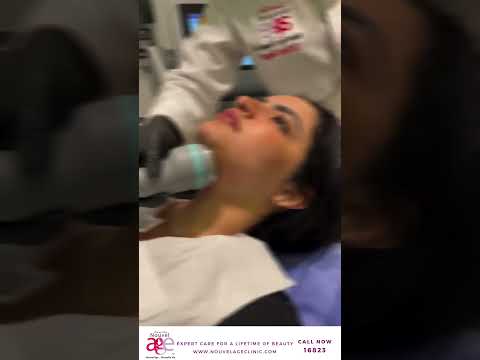
During microwave skin tightening sessions in Korea, most patients report a distinct, tolerable heat sensation as the device delivers energy deep into the dermis. This heat builds gradually, peaking during each pulse, but never resembles a sharp or burning pain. Clinics routinely apply a topical numbing cream 30–40 minutes prior, which effectively dulls surface discomfort while leaving the deep thermal response intact. You may feel a warm pricking or mild tugging, but sudden, intense pain is unusual—if it occurs, it signals the energy setting is too high for your tolerance. The sensation typically subsides within seconds after each pulse, and no residual aching persists post-treatment.
- Topical anesthetic is standard before the session, targeting epidermal sensitivity only.
- The heat is most noticeable at the applicator tip, often described as a hot stone press.
- No vibration or cooling attachment is used, so the thermal buildup is direct and sequential.
- Sensitive zones like the jawline or neck may require a lower energy level to avoid stinging.
Can You Return to Work the Same Day, or Is Recovery Time Required?
In Korea, microwave skin tightening is typically structured as a lunchtime procedure, making same-day return to work realistic for most patients. Immediately after the session, you may experience mild redness, warmth, or slight swelling in the treated areas, but these effects are generally subtle and can be concealed with light makeup. There is no mandatory recovery period, so you can resume desk work or non-strenuous duties within a few hours. However, intense exercise, saunas, or heavy facial manipulation should be postponed for 24–48 hours to allow the tissue to settle. If your job involves physical strain or significant heat exposure, a half-day buffer is safer.
Most people can return to work the same day, but avoid strenuous activity for one to two days to ensure optimal results.
Which Skin Areas Respond Best to Microwave Technology in Clinics There?
In Korean clinics, microwave skin tightening delivers its most dramatic results on the lower face and jawline, where lax skin and early jowling respond fastest to controlled thermal contraction. The periorbital zone—especially the upper and lower eyelids—also shows excellent outcomes, as the fine, thin dermis here tightens visibly without invasive downtime. Korean practitioners frequently target the neck and décolletage, where crepey texture smooths remarkably well. However, the mid-cheeks and temples, with thinner fat padding, yield subtler improvements unless combined with volumizing agents. For patients seeking which skin areas respond best to microwave technology in clinics there, the consensus is clear: loose, elastic-deficient regions with minimal deep fat—like the brow, marionette lines, and nasolabial folds—outperform thicker, oilier zones such as the nose or chin, which require higher energy settings and still lag in visible tightening.
Is It More Effective for the Lower Face, Jowls, or Under-Eye Loose Skin?
For microwave skin tightening in Korea, clinical results are distinctly stronger on the lower face and jowls than on the under-eye area. The technology’s penetrating energy targets dermal collagen with precision, making it highly effective for tightening sagging jowls and defining the jawline, where tissue laxity is more pronounced. Under-eye loose skin, however, remains a challenge: the thin, delicate zone has less subcutaneous fat to absorb the microwave heat, increasing risk of uneven contraction. *Clinics in Seoul often recommend microwave only for mild under-eye crepiness, not severe hooding or fat prolapse.* For jowls, the energy can visibly reduce the “marionette” shadow over two to three sessions.
- Best outcomes: jowls and lower-cheek laxity, with visible contour improvement.
- Moderate effect: lower face skin thickness, reducing “goblin” texture.
- Limited effect: under-eye loose skin—only for fine crepiness, not deep folds.
- Requires touch-ups for under-eye, while jowl results last longer.

Can It Be Used on the Belly, Arms, or Knees Just as Effectively as the Face?
Clinical experience in Korea shows microwave skin tightening is **most effective on the face**, where thin skin and dense collagen respond rapidly. On the belly, arms, or knees, results are real but less dramatic. The abdomen’s thicker fat layer absorbs energy differently, requiring higher settings and multiple sessions to achieve noticeable laxity reduction. Knees, with constant movement and thin dermis, show modest improvement but slower collagen remodeling than facial skin. Arms respond moderately, especially inner upper arms, yet never match facial contouring precision. Microwave efficacy drops by roughly 30–40% outside facial zones due to structural differences.
Q: Can It Be Used on the Belly, Arms, or Knees Just as Effectively as the Face?
A: No—clinics in Korea routinely warn patients that these areas need more sessions and yield subtler tightening, not equivalent results. Facial skin’s high collagen density is the benchmark.
How to Choose the Right Clinic and Device for Your Skin Type in Korea
For microwave skin tightening in Korea, begin by identifying whether your skin is thin, thick, or prone to laxity, as this dictates device energy depth. Clinics in Seoul’s Gangnam district typically offer multiple microwave platforms, like the Potenza or Indiba, but you must ask for a live skin analysis before the technician locks in a protocol. A trustworthy clinic will map your fat distribution and collagen density, adjusting the handpiece’s frequency precisely—not just defaulting to maximum power. For delicate, low-fat skin, choose a clinic that prioritizes lower energy and multiple passes; for thicker, resilient skin, seek out a center with high-capacity tips. Also, verify that the device’s head size matches your treatment zone (e.g., smaller for periorbital, larger for the jawline). Ultimately, the right fit is a clinic that customizes, not standardizes, your treatment plan.
What Should You Look for in a Practitioner’s Experience with Microwave Devices?
When evaluating a practitioner for microwave skin tightening in Korea, probe their device-specific case volume beyond years in aesthetics. Ask how many sessions they’ve personally performed on your exact skin type (e.g., Fitzpatrick III–IV) and thin dermis, not just on generic patients. Request before-and-after photos of Korean skin under similar hydration levels, and check if they adjust energy delivery and cooling cycles for facial fat pads. A skilled operator will map your bone structure and nerve zones, decreasing burn or atrophy risk. Verify they’ve handled complications like post-inflammatory hyperpigmentation, which is common in Korean skin. Inquire about their protocol for submental versus cheek areas, as precision varies.
Look for proven, skin-type-specific case history and calibrated energy adjustments, not generic credentials.
How Do You Know If You’re a Good Candidate or Should Consider Alternatives?
You’re a solid candidate for microwave skin tightening in Korea if you have mild-to-moderate skin laxity, realistic expectations, and enough subcutaneous fat for the handpiece to grip—typically on the lower face, jowls, or abdomen. However, if you have severe sagging that requires surgical lifting, or if you’re very thin with minimal fat depth, the device may not deliver visible results, so alternatives like threads or SMAS-focused ultrasound could serve you better. Also, if you’re prone to keloid scarring, have active inflammation, or are pregnant, you should pivot entirely. A clinic’s skin-typing consultation—using impedance or elasticity mapping—will confirm candidacy, but your honesty about past procedures and pain tolerance matters most. If microwave feels too intense during a patch test, or you seek dramatic volume restoration, opt for fillers or RF microneedling instead. Candidate screening in Korea often includes a pinch test—if skin rebounds poorly, you may need combination therapy rather than microwave alone.
Common Questions First-Timers Ask Before Booking This Treatment
First-timers eyeing microwave skin tightening in Korea usually ask if it hurts, and the honest answer is a warm, prickling sensation—not pain—thanks to built-in cooling. They worry about downtime; you can return to sightseeing the same day, with only mild redness for a few hours. Another frequent question is how many sessions are needed: most clinics recommend 2–3, spaced a month apart, for lasting collagen remodeling. They also ask if results are immediate—yes, you see slight firming right away, but the real lift peaks at 3–6 months.
Before booking, always request a skin-thickness assessment to confirm you’re a candidate, since microwave energy targets deeper dermal layers that ultrasound or RF can’t reach.
Finally, they ask about cost per area; Seoul clinics often bundle face and neck for a flat rate, making it more affordable than in the US or Europe.
Will It Cause Fat Loss or Only Tighten Existing Skin?

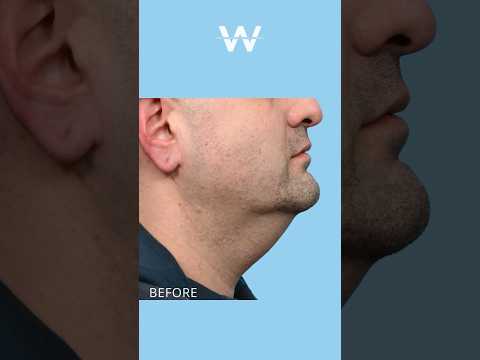
Microwave skin tightening in Korea does not cause fat loss; it targets existing skin laxity. The device heats the dermis to stimulate collagen contraction and remodeling, which firms and tightens the skin’s structural layer, not the subcutaneous fat beneath. You will not see a reduction in volume or contour change—only a smoother, more lifted surface. This means it is unsuitable for those hoping to reduce jowls caused by fat deposits. Microwave skin tightening delivers skin-tightening benefits only, leaving fat cells untouched.
Q: Will it reduce my double chin fat?
A: No. It tightens the overlying skin, but existing fat remains, so if your double chin is fat-dominant, this treatment will not shrink it.
Are There Any Long-Term Side Effects or Skin Texture Changes to Watch For?
Regarding long-term side effects after microwave skin tightening in Korea, clinical data shows no permanent nerve damage or systemic toxicity when performed correctly, as the energy is confined to the dermis and halted at the fat layer. Skin texture changes to monitor include temporary dimpling or crepitus for up to six weeks post-treatment, which typically resolves as collagen remodels. Rarely, focal atrophy—a small depression—can persist if the applicator was placed too superficially, particularly on the lower cheeks. Over years, you may notice a slight loss of subcutaneous fat, which is the intended effect, but over-application can create a hollowed contour. Always request a Korean dermatologist’s before-and-after imaging to verify their complication rates.